
A common question we get from our customers is “How long does it take to have solar panels installed?” This article will give you an overview of the process.
If you’re considering installing solar panels in your home in Spring, TX, you might be wondering how long the installation process typically takes. The timeline for solar panel installation can vary depending on several factors, including the complexity of the project, the size of the system, and the availability of the best solar panels Spring, TX has to offer. Let’s explore the general timeline and considerations involved in installing solar panels.
Consultation and Assessment: The first step in the solar panel installation process is to schedule a consultation with a reputable solar company. During this phase, a solar expert will assess your property’s solar potential, evaluate your energy needs, and discuss the available options. They will also provide you with a customized solar system design and a detailed quote. This initial consultation typically takes a few hours to complete, depending on the complexity of your project.
Permits and Paperwork: Before the installation can begin, necessary permits and paperwork must be obtained. This includes submitting applications to local authorities and utility companies for approval. The time required for this step can vary depending on the specific regulations and processes in your area. It’s best to work with an experienced solar company that can handle the paperwork efficiently on your behalf.
System Design and Ordering: Once the necessary permits are secured, the solar installer will finalize the system design based on your property’s specifications and energy requirements. This phase includes selecting the best solar panels Spring, TX has to offer and other necessary components such as inverters, mounting equipment, and wiring. After the design is complete, the solar company will place an order for the equipment, which can take a few weeks to arrive.
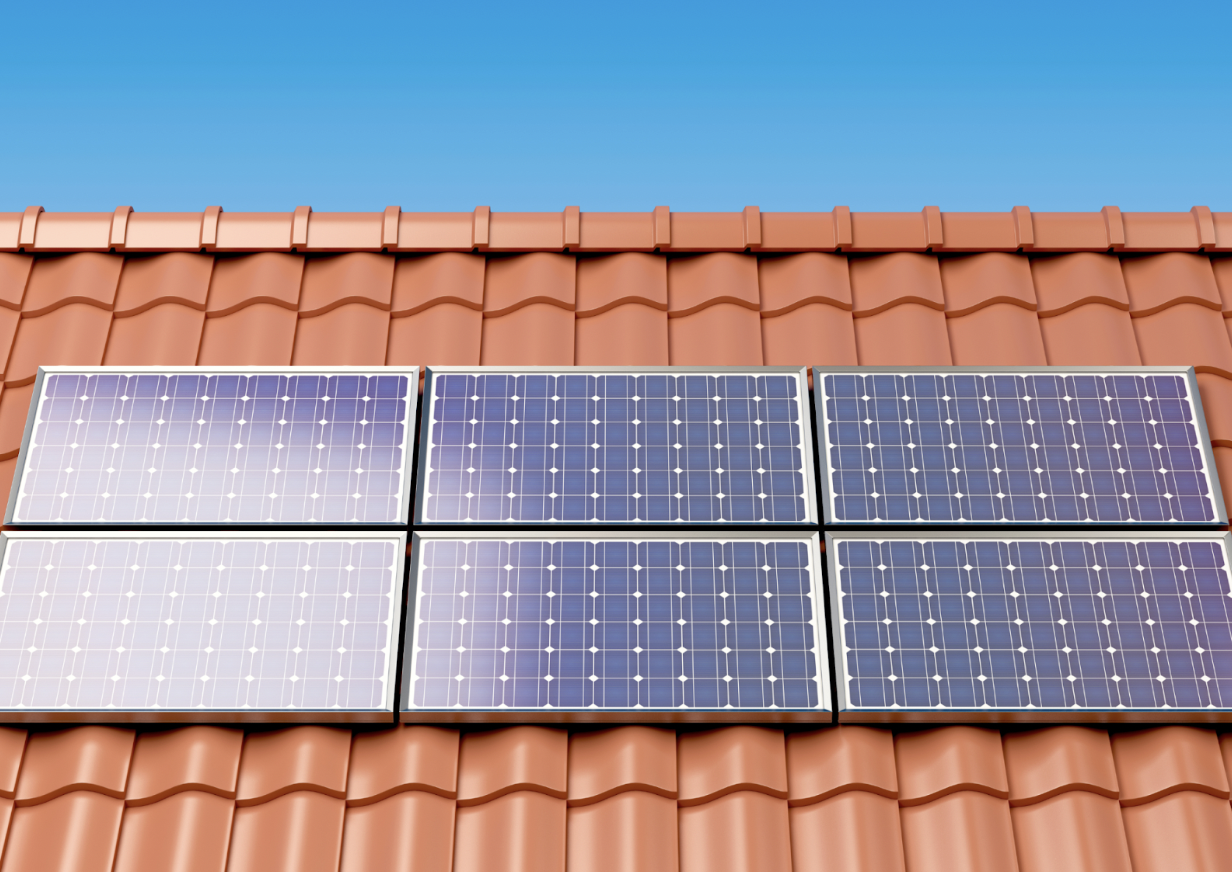
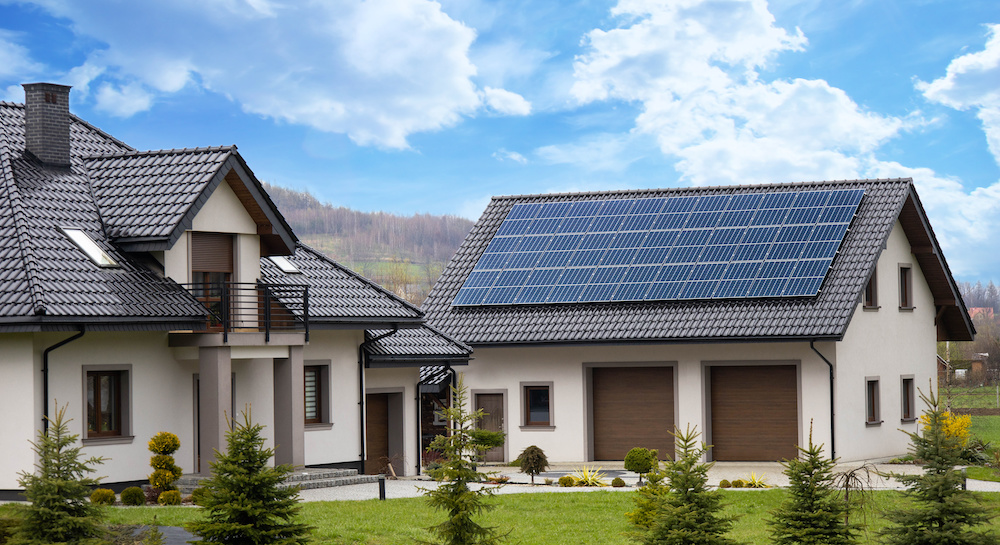
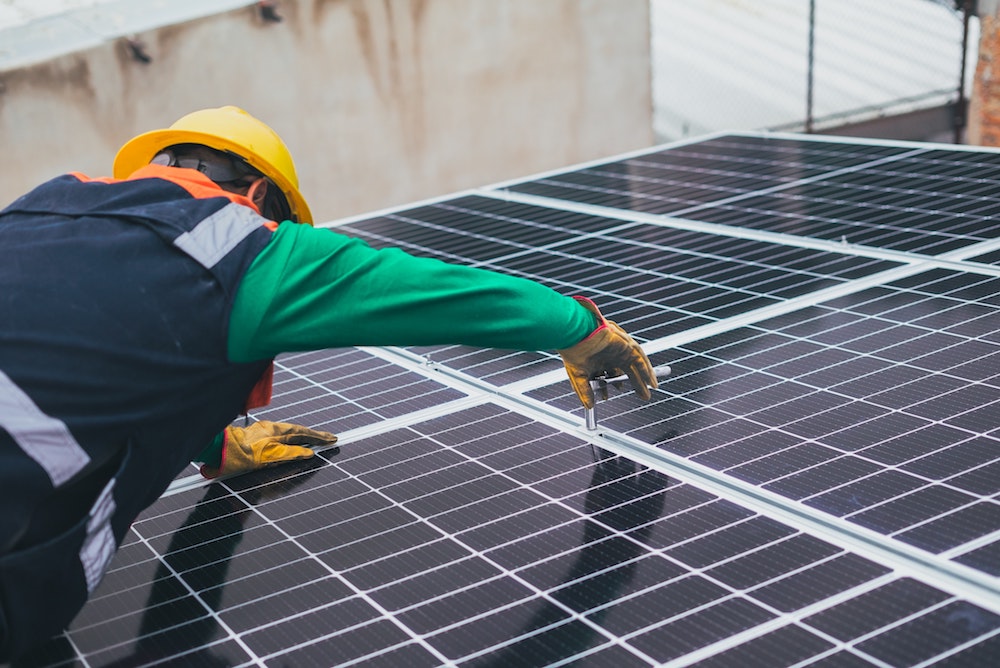
Installation: The actual installation of solar panels typically takes one to three days, depending on the size of the system and the complexity of the project. The solar installation team will mount the panels securely on your roof, connect them to the inverter, and integrate the system with your home’s electrical infrastructure. They will also install monitoring equipment and perform thorough testing to ensure that everything is functioning correctly.
Inspection and Interconnection: After the solar panels are installed, a local inspector will visit your property to verify that the installation meets all safety and code requirements. This inspection is crucial to ensure the system’s compliance and eligibility for incentives or rebates. Once the inspection is successfully completed, the solar company will work with the utility company to finalize the interconnection process, allowing your solar system to start producing electricity.
Activation and Monitoring: Once the interconnection process is complete, your solar panels are ready to generate clean energy for your home. The solar company will provide you with instructions on how to activate and monitor your system. This includes setting up online monitoring tools that allow you to track your energy production, monitor system performance, and view energy savings in real-time.
In conclusion, the time required to have solar panels installed in Spring, TX can vary depending on various factors. From the initial consultation and assessment to obtaining permits, system design, equipment ordering, installation, inspection, and interconnection, the entire process typically takes several weeks to a few months. It’s important to work with a reputable solar company that has experience in solar panel installation and can efficiently handle the necessary paperwork and coordination with local authorities.
Investing in solar panels is a long-term commitment towards a greener and more sustainable future. By harnessing the power of the sun, you can reduce your reliance on traditional energy sources, lower your electricity bills, and contribute to a cleaner environment. So, if you’re considering going solar in Spring, TX, don’t hesitate to reach out to the best solar panel installers in the area and take the first step towards energy independence.

As the world shifts towards sustainable, cost-saving energy sources, homeowners in Texas are turning to solar power as a viable option. Not only does solar offer environmental benefits, but it can also lead to substantial financial savings for homeowners over decades of use. This article details the available tax credits for solar panels in Texas.
One of the key incentives driving the adoption of solar in Texas is the availability of solar panel tax credits. This article will delve into the basics of federal and state tax credits for solar panel owners in Texas and how these credits have evolved.
The federal government has long recognized the importance of renewable energy and has introduced tax incentives to encourage its adoption. The most significant federal tax credit available to homeowners installing solar panels is the Solar Investment Tax Credit (ITC). Under the ITC, homeowners can claim a percentage of the cost of their solar panel system as a tax credit.
As of 2021, the federal solar tax credit allows for a credit of 26% of the total system cost. Meaning that if a homeowner invests $20,000 in a solar panel system, they can claim a tax credit of $5,200. It’s important to note that the federal tax credit is subject to a gradual phase-out schedule. This means the credit percentage will decrease in subsequent years. Currently, the federal solar tax credit is set to decrease to 22% sometime in later 2023.
In addition to the federal tax credit, Texas offers state-level incentives to further encourage the adoption of solar energy. The state of Texas does not currently have a specific tax credit for solar panels. However, it does offer property tax exemptions for homeowners with solar installations. The added value of the system is excluded from the calculation of property taxes, resulting in potential long-term savings.
The growth and expansion of tax credits for solar panels in Texas can be attributed, in part, to the increasing influence of energy-saving generations in political offices. With rising awareness of climate change and the importance of sustainable energy solutions, younger generations actively push for policies that incentivize renewable energy adoption.
Politicians prioritizing environmental sustainability have been instrumental in advocating for the extension and expansion of solar tax credits. Their efforts have helped create a favorable environment for homeowners to invest in solar. Leading to greater energy independence and reduced emissions.
While tax credits can provide significant financial incentives, navigating the various regulations and requirements can be complex. It is advisable to consult with a qualified tax professional or Spring solar installers to ensure that you fully understand the credits available. They can guide you through claiming tax credits, advise on eligible expenses, and help you make informed decisions.
If you’re vetting solar companies in Spring, TX, please contact Sunshine Renewable Solutions’ local solar installers. We can help you discover the benefits of solar energy and enjoy the long-term rewards.
Many of our clients ask us “where do the solar panels connect to the house?” This article will answer this question!
Solar panels have become a popular and environmentally friendly energy solution for homeowners around the world. As more people recognize the benefits of harnessing solar power, the demand for solar panel installation has been on the rise. If you’re considering going solar and live in Spring, TX, it’s crucial to find the best Spring TX solar installer to ensure a smooth and efficient connection of solar panels to your house.
Also Read: Getting Started With Solar Panel Research
When it comes to connecting solar panels to a house, several components and steps are involved in the installation process. Let’s explore the key elements and understand how solar panels connect to the house.
Choosing the best Spring TX solar installer is crucial to ensure a successful solar panel connection to your house. Look for a reputable company with experience in solar installations, positive customer reviews, and industry certifications. A professional solar installer will handle the entire process, from initial site assessment to obtaining permits and connecting the system to your home’s electrical infrastructure.
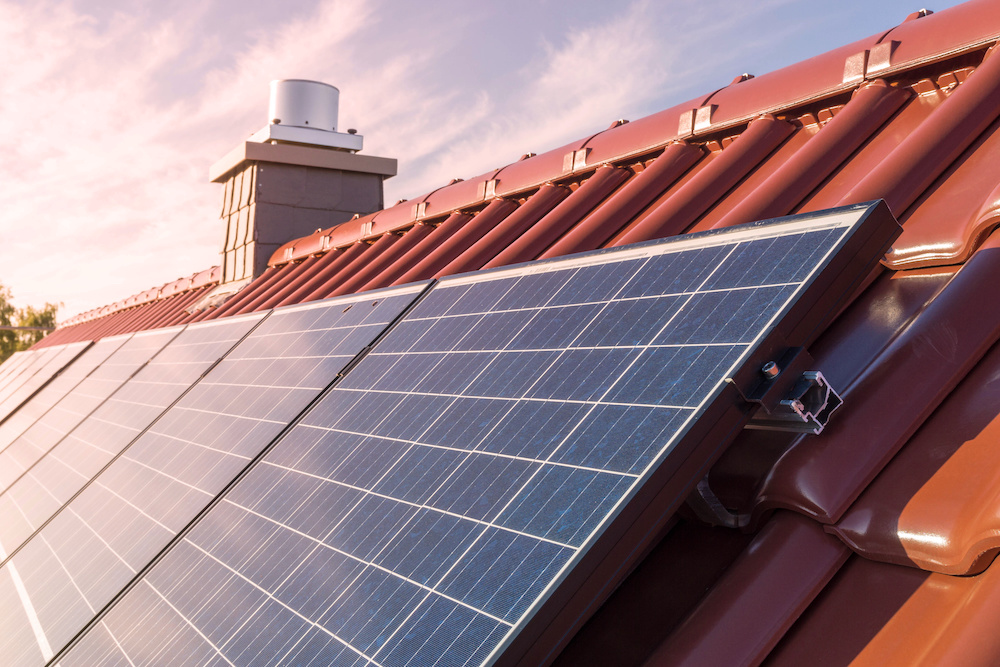
In conclusion, solar panel installation involves mounting the panels securely on your roof, connecting them to an inverter, integrating the system with your home’s electrical panel, and enabling net metering to connect to the utility grid. Working with the Sunshine Renewable Solutions in Spring, TX solar installer ensures that these steps are executed professionally, maximizing the benefits of solar energy for your household. Embrace the power of the sun and take a step towards a greener future by harnessing solar energy for your home in Spring, TX.
Solar panel scams are becoming increasingly common, and Spring, TX, is not immune to this trend. Homeowners in the area must stay alert and aware of the warning signs of solar panel scams to avoid being taken advantage of by unscrupulous companies or individuals.
One of the most common tactics solar panel scammers use is high-pressure sales. They may use door-to-door sales or telemarketing tactics to pressure homeowners to make a decision quickly. They may offer incentives such as “limited-time” discounts or “one-day-only” deals to make homeowners feel like they need to act fast.
A legitimate residential or commercial solar company will avoid high-pressure sales tactics; they will give homeowners time to research and consider their options before deciding. They will also be upfront about the costs and benefits of solar panel installation rather than making unrealistic promises or guarantees.
A clear warning sign of solar panel scams is the absence of a comprehensive contract. Homeowners should always read through contracts carefully and ask questions if anything needs clarification. If a company refuses to provide a contract or insists on verbal agreements, it’s a clear sign that they do not want to leave a paper trail.
Leasing programs can also be a red flag regarding solar panel scams. While leasing programs can be a good option for some homeowners, scammers may use them to exploit unsuspecting customers. They may offer low monthly payments but fail to disclose hidden fees or high-interest rates. The best solar companies will be transparent about the costs and terms.
Homeowners should ask for references from the solar panel installer and contact those references to get an idea of their experience with the company; they should ask about the installation process, the quality of the panels, and any issues that may have occurred. Finally, homeowners should be wary of any company that asks for payment upfront or demands payment in cash.
Trust your instincts as a savvy consumer; just because the solar industry is relatively new, it doesn’t mean it’s void of imposters and scammers, no, quite the opposite.

Solar power in Spring, TX, is a perfect energy opportunity for private residences and commercial businesses due to the region’s ideal environmental factors. With its sunny climate, high UV exposure, and topographical characteristics, Spring, TX, is an excellent location for cultivating solar energy; let’s explore why.
The U.S. Department of Energy’s National Renewable Energy Laboratory (NREL) ranks Texas as one of the top states in the nation for solar potential. The state receives an average of 6.0 kWh/m²/day of solar radiation, more than enough to generate significant amounts of solar power. Spring, TX, is no exception, as it is situated in a region with high solar radiation.
According to the National Oceanic and Atmospheric Administration (NOAA), Spring, TX, receives an average of 204 sunny days per year, with a total of 2,703 hours of sunshine per year on average; this level of solar radiation/sunlight makes Spring, TX, an excellent location for solar panel installations.
Furthermore, the topography of Spring, TX, plays a significant role in solar energy cultivation. The region is mostly flat, with little-to-no shading from nearby trees or buildings; this allows solar panels to receive maximum exposure to the sun throughout the day.
The Texas State Energy Conservation Office (SECO) offers a Solar Radiation Map that provides detailed information on solar radiation levels in various regions throughout the state. According to the map, Spring, TX, falls within the highest solar radiation zone in the state, with an annual average of 5.5-6.0 kWh/m²/day.
In addition to the high solar radiation levels, Spring, TX, also experiences high levels of UV exposure. According to the Environmental Protection Agency (EPA), Spring, TX, falls within Zone 2, characterized by high levels of UV radiation throughout the year. This high UV exposure is beneficial for solar array systems.
The local government in Spring, TX, has taken steps to encourage the adoption of solar energy by providing incentives for solar panel installation. The city offers a Solar Rebate Program, which provides rebates to residents and businesses that install solar panels. The program provides up to $2,000 in rebates for residential installations and up to $4,000 for commercial installations.
The state of Texas also offers various incentives for solar energy adoption. The state’s Property Tax Exemption for Renewable Energy Systems exempts solar panel installations from property taxes for up to ten years. The state also offers a Sales Tax Exemption for Solar Energy Systems, which exempts solar panel installations from sales tax.
Furthermore, the federal government offers tax incentives for solar energy adoption. The federal Solar Investment Tax Credit (ITC) allows for a tax credit of up to 26% of the total cost of a solar panel installation for residential and commercial properties.
If you’d like to start discussing your next solar project with one of the best solar companies in Texas, please contact us today. Your search for quality solar power in Spring, TX begins by working with trusted solar panel installers.

In February 2021, Texas experienced a severe winter storm that caused widespread power outages and left millions of people without electricity for days. This disaster brought to light the vulnerability of Texas’ power grid and the urgent need for alternative energy sources. One of the most promising options is solar energy, which can provide homeowners a reliable power source even during extreme weather events. But will Texas freeze again?
Since the winter storm, more and more homeowners in Texas are turning to solar energy to protect themselves from future power outages. Solar panels generate electricity from the sun’s UV rays, so they are not dependent on the power grid to function; this means that even during a power outage, homes with solar panels can still have access to electricity as long as the panels are receiving enough sunlight. Additionally, solar panels can provide energy independence for homeowners, reducing their dependence on the power grid and mitigating the impact of future power outages.
Furthermore, the cost of solar energy has decreased significantly in recent years, making it an increasingly attractive option for homeowners. In Texas, homeowners can take advantage of various incentives and tax credits to reduce the cost of installing solar panels. For example, the federal government offers a solar tax credit that can cover up to 26% of the cost of a solar energy system. Some local utility companies also offer rebates or incentives for homeowners who install solar panels.
With changing weather patterns and climate, Texas will likely continue to experience random freezing weather in years to come; this means that the risk of power outages during extreme weather events will remain high, and homeowners must find ways to protect themselves. Solar energy provides a reliable and affordable solution to this problem, allowing homeowners to generate electricity and reduce their reliance on the power grid.
Moreover, solar energy is a clean and sustainable source of power that can help Texas reduce its carbon footprint and combat climate change. By generating electricity with solar panels, homeowners can reduce their reliance on fossil fuels and help shift the state towards a more sustainable energy future. This transition is especially important given that Texas is one of the largest carbon emitters in the United States, largely due to its reliance on fossil fuels for energy.
The winter storm of February 2021 highlighted the need for alternative energy sources in Texas, and more homeowners are turning to solar to protect themselves from future power outages. With changing weather patterns and climate, Texas will likely continue to experience extreme weather events, making solar energy an increasingly important part of the state’s energy mix.
By transitioning to solar energy, homeowners can reduce their carbon footprint, save money on electricity bills, and ensure they have access to reliable power, even during a power outage. Are you considering installing solar panels in Spring, TX? As one of the best solar companies in Texas, we’d be happy to answer any questions you have on solar solutions for your home or business.

Solar panels are an excellent renewable energy source, as they perform a simple but priceless task – convert sunlight into usable electricity. As such, it’s easy to assume that solar panels work best when it’s hot and sunny outside. While sunlight is the primary power source for solar panels, extreme heat can negatively impact solar panel performance. So, can it be too hot for solar panels? Let’s find out.
Solar panels work best when the temperature is around 77 degrees Fahrenheit. At this temperature, solar panels can convert sunlight into electricity with an efficiency rate of around 15-20%. As the temperature increases above this range, solar panel efficiency decreases because solar panels are made of semiconductors sensitive to temperature changes. When the temperature rises, the conductivity of the semiconductors decreases, reducing the amount of electricity that can be generated.
This is not breaking news, but In addition to temperature, solar panels also work best when they are exposed to direct sunlight. Solar panels should be installed in areas where they can receive the most sunlight possible. Solar panels installed in shady areas or partially covered areas will not generate as much electricity as those exposed to direct sunlight.
Solar panels work best in optimal conditions but can still generate electricity in less-than-ideal conditions. For example, on cloudy days or during the winter months, solar panel efficiency will decrease when there is less sunlight, but the panels will still generate usable electricity. Solar panels can still convert even small amounts of sunlight into usable electricity. However, the electricity generated may not be enough to power the entire home, so many homeowners choose to install a battery backup system to store excess electricity.
On the other hand, extreme heat can significantly impact solar panel performance more than cloudy or winter weather. In temperatures above 104 degrees, solar panel efficiency can decrease by as much as 10-25% because the semiconductors in the solar panels become less efficient at converting sunlight into electricity. This decrease in efficiency can be significant enough to affect the overall performance of a solar energy system.
Moreover, extreme heat can cause solar panels to degrade over time, reducing their overall lifespan. Heat can cause the materials in the solar panels to expand and contract, leading to cracking and other forms of damage. In the long run, this can result in reduced energy production and increased maintenance costs for the homeowner.
While solar panels can generate electricity in various weather conditions, extreme heat can impede their performance. Luckily for many homeowners, the extreme conditions that will dramatically impact performance are not expected year-round.
If you’d like to learn more about solar in Spring, TX, and the design/installation process, please contact us. As premier Houston solar installers, we’d be happy to answer any questions you may have regarding solar benefits.
New to solar research? You’ll love this article.
In Spring, TX, solar energy systems can be a great option for generating electricity due to the region’s relatively high levels of UV exposure. But, the solar panel installation costs in Spring, TX, could be higher than in other parts of the country due to the higher living costs in the area.
However, investment in independent energy production is worth it for most property owners. In the long run, the solar incentives for Spring, TX, outweigh the initial upfront costs of installation.
Solar panels can save you money on energy bills, reduce your carbon footprint, and even allow you to sell excess energy back to the grid. Texas has several incentives to encourage the adoption and use of solar energy.
Some of these incentives include:
In these arrangements, the solar company owns the panels and sells the electricity generated by the system to the customer at a fixed rate. Beware of scammers in this field; some of the worst solar companies operate in this leasing market.
It’s important to note that the availability and amount of solar incentives can vary by location and may change over time. It’s a good idea to check with your local utility company and the state and federal government to find out what incentives are currently available to you.
Solar energy collection systems are a viable option for property owners in Spring, Texas. Now is the time to research, collaborate with a professional solar installer in Spring, TX, and find the best solution for your energy needs.
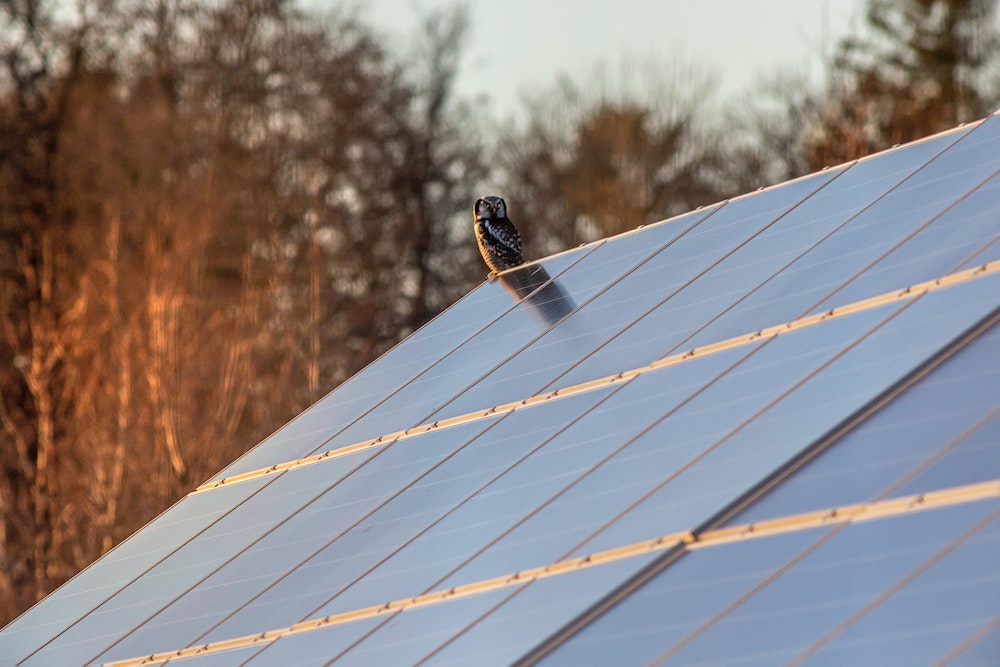
Calculating how many solar panels you can fit on your roof is a crucial step in the process of solar panel installation. In Spring, Texas, the number of solar panels that can fit on your roof will depend on several factors, including the size and orientation of your roof, the efficiency of the solar panels you are using, and your energy needs.
Before doing any work yourself, it’s best to contact professional solar panel installers and explain your system goals. Attempting to install a solar array system yourself is not advisable, as it can lead to poor performance or even be dangerous.
Professional solar teams will measure the area of your roof, consider the physical limitations, and account for any obstructions, such as shading from trees or other structures. The power output of your solar panels and the amount of electricity you need to generate must all be accounted for – trusted and experienced solar installers in Spring, TX, will have all of these details in mind when designing your system.
Property owners can obtain a rough estimate of the number of solar panels they can fit on their roof by dividing the total area of their roof by the area of a single solar panel. For example, if your roof has a total area of 1,000 square feet and you use solar panels that are each about 16 square feet, you can fit about 62 panels on your roof. However, this is just a rough estimate, and you will need to consider other factors when designing your solar panel system.
A professional solar installer will be able to take into account all of the relevant factors and provide you with an accurate recommendation of the number of solar panels you’ll need to install on your roof.
As one of the best solar companies in Texas, we’d love the opportunity to show you why we’re the go-to local solar installation team in Spring, TX!
This article focuses on the importance of solar energy storage.
Solar energy is one of the most sustainable forms of energy. It is a renewable and environmentally-friendly source of power. It does not produce any emissions, so it has no negative impact on the environment.
People now tend to have solar panels installed on their rooftops by specialized solar installers in order to make the best use of solar panel energy. Solar panel installation in Texas has made our future more sustainable because they are a significant part of the economy in many countries, providing jobs and income to the government in a variety of ways.
Apart from its advantages, it’s worth mentioning that Solar power is not constant, so it needs a way to store the excess solar energy generated during the day for use at night.
So, what should you do on cloudy days? How can we make use of the extra energy? How will the collected energy from the solar panels be stored?
In this article, we will answer these questions and much more about Solar Energy Storage.
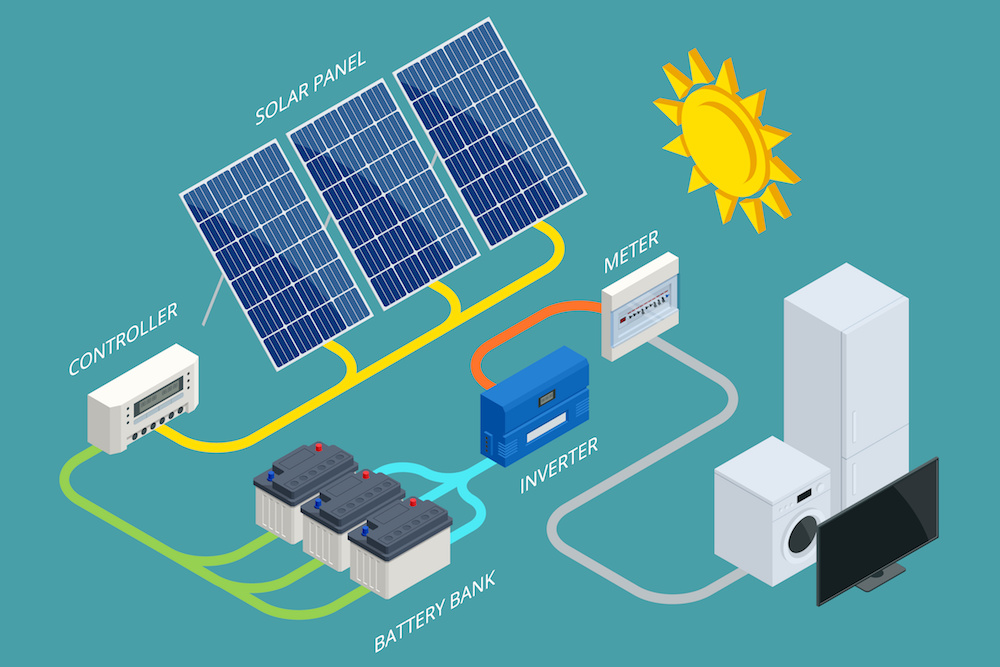
Solar energy storage is a system that stores the sun’s energy by using batteries, which can be used when there is no sun or when electricity rates are high.
The battery storage system is a new and innovative way for people in Texas to get the benefits of solar energy without the downsides. The system works by storing excess energy from your solar panels in batteries, which can be used when you don’t have any other access to power.
The key to successful solar panel storage is choosing the right size battery for your system. The amount of electricity produced by your solar panels will determine how large of a battery you need. Once you have chosen a battery, it needs to be properly installed by experienced professionals such as those at spring solar installers. They will ensure that all wiring and connections are properly done so that the system runs efficiently and safely.
The most common use of solar storage nowadays is to provide electrical power to homes during the nighttime, meaning you can generate power 24 hours a day. Solar storage batteries are also a good option for people in Texas who have their own solar panels and want to save money on electricity bills.
There are numerous advantages to spring solar installation with a battery backup system. Aside from allowing you to use your solar panels even when there is no sunlight, battery backup systems are more efficient because they have a larger capacity for storing and producing power. Finally, you can place the batteries where they are most needed.
There are two types of solar energy storage: thermal and electric. Thermal storage can store heat in a material, such as water or air, to keep it warm for later use. Electric storage stores electricity in batteries, so it can be used any time of day.
The two types of battery systems for storing solar power are off-grid and grid-tied.
Off-grid battery systems are solar-powered, self-sustainable power generation system that does not rely on any outside sources for electricity, such as grid lines or generators. They are used when there is no access to an electricity grid, while grid-tied systems are used in conjunction with an existing electricity grid. A grid-tied system will have a net meter that measures how much electricity the house uses from the grid and how much it sends back to the grid.
The answer to this question depends on your location, climate, energy usage, and electricity rates. Solar battery storage is a great option if you are looking to save money by reducing your electricity bills.
The cost of spring solar installation and maintaining a storage system varies depending on factors such as size, location, and type of system. But, its cost has been decreasing due to the technological advancements in the industry. Solar power storage systems now cost an average of $0.50 per watt, which is about half the price it was 5 years ago.
A solar home battery is a great way to reduce your electricity bill because you will no longer need to rely on the grid for power. The number of Texans with solar panels has increased significantly in the past year. This is because the cost of solar panels has decreased significantly in recent years, making them a more affordable option for homeowners. and renters.
The use of solar power will continue to grow in Texas and around the world as people become more aware of the benefits it offers. If you’re considering getting solar panels for your home, contact us today for a free consultation to discuss your options and find out how much you could save on your energy bill.
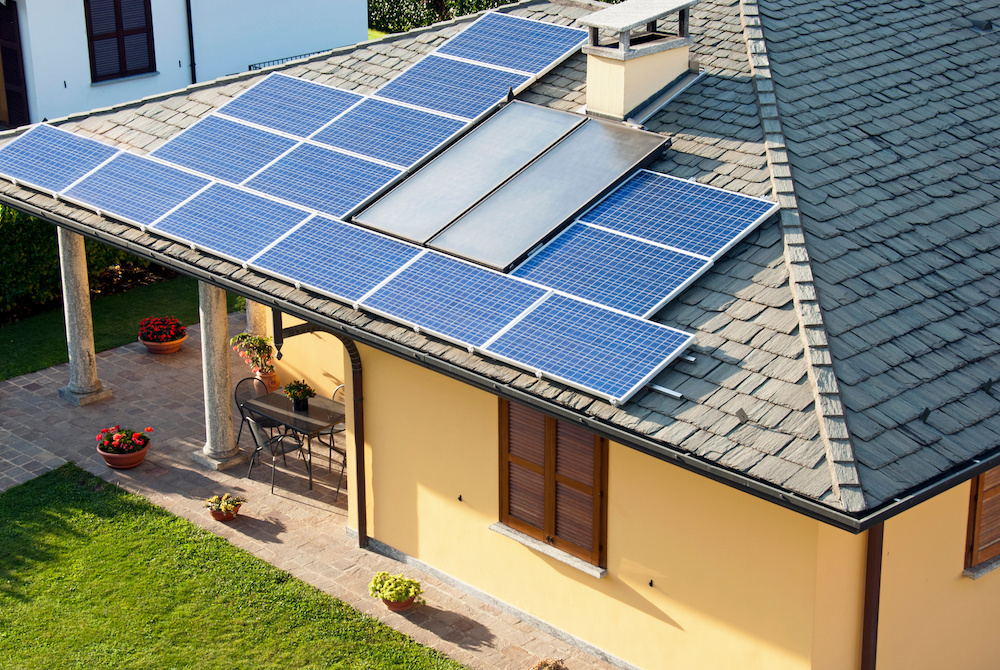
Solar panel research can be tricky to navigate as you start your process. This article aims to simplify that for you.
Solar power is becoming more of a viable and environmentally-friendly choice for homeowners and businesses. The world now tends to use solar panels to generate electricity since they are now more efficient than ever, producing tons of clean energy each day. At the same time, the price of solar panels has dropped significantly in recent years. And if you’re in Texas, the cost of electricity is higher than in other parts of the country. This means that installing solar panels can save a lot of money on your electric bill each year.
Solar panels work by converting sunlight into electricity. This is done through the use of photovoltaic cells, which are made up of semiconductors that produce an electric current when exposed to light.
Solar panels can be installed by homeowners or by professional installers. If you have the time and skills, it is possible to install solar panels yourself. Otherwise, you will need to hire a professional solar installer who can provide all of the necessary equipment and training for installation.
There are many benefits to solar panel installation, and many people are beginning to take advantage of these benefits. This article will provide you with information on how to get started with solar panel research.
Solar energy storage will play an important role in the future of renewable energy. As the world transitions away from fossil fuels, renewable sources such as wind and solar will become more popular. The problem with these sources is that they are intermittent: they only produce electricity when the sun shines, or the wind blows. But what happens at night when the sun doesn’t shine? Or in winter when there’s no sunlight at all?
Solar energy storage, however, can solve this problem by storing solar energy in batteries for later use.
These electric batteries are now available for residential customers. This is just one of the technologies that make it possible for them to have electricity at home. They are now central for anyone who wants to produce enough power throughout the day to cover their electrical needs.
It is especially important if you’re off-grid, but it’s still useful even if you are connected to the grid.
In addition to providing power to homes, solar energy storage also provides a way for utilities to manage their grids more effectively and make them more reliable.
How do solar batteries work?
Solar batteries function fundamentally the same as other rechargeable battery types. They may charge from a power source like solar panels and store energy. The solar batteries can then continue to supply backup electricity to the house even if there is no solar power coming in. This enables you to use electricity even when your solar panels aren’t harvesting solar power.
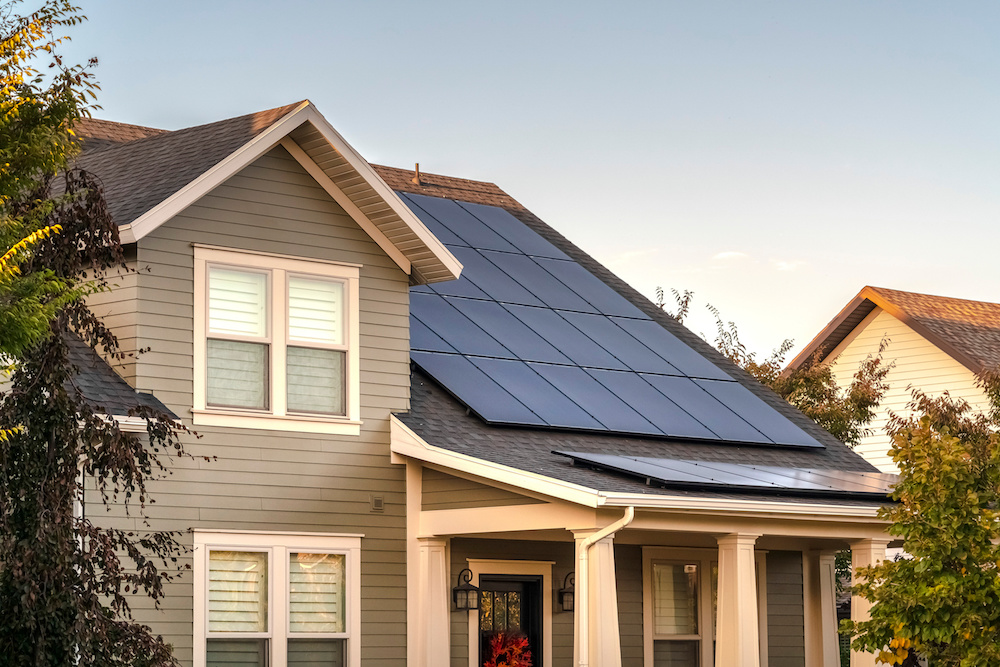
You’re ready to install a high-efficiency solar system on your roof. You might be wondering how big should your solar system be, How many solar panels you require, and what type of inverter you should buy. WAIT! You have got much more important questions to be answered rather than these.
How much power do I need?
Evaluate your utility bills to see how many kilowatt-hours you use on an average day. A typical system produces 5 kilowatt-hours per day, but it depends on your consumption of electricity. So, your home may require more Kilowatts or less.
How is your weather?
The number of panels required for your home is determined by how much solar radiation reaches the ground where you live. Do you find that clouds are frequently in your local forecast? you might not believe it, but Solar can work well even when it is cloudy.
How much direct sunlight does your roof receive?
In general, 100 square feet of south-facing roof space is required for every kilowatt of power. Don’t worry about the clouds; the sun will take care of them.
Actually, shadows cast by chimneys, trees, or taller buildings are a bigger impediment to the sun’s rays. but solar experts can look into it and assist you as well.
Consider these questions a stepping stone to solar success, and never mind if you couldn’t find the exact answers; solar experts will help guide you.
Texas has a variety of solar incentives that are available to help customers save money, including rebates, tax exemptions, and low-cost financing.
The federal government offers a 30 percent tax credit on solar installation costs. In addition, many states offer additional state-level tax credits and incentives for installing solar panels.
In Texas, there is an exemption from property taxes for solar installations on residential properties. This can save you thousands of dollars in taxes over the life of your system.
Many Texas electricity providers offer discounts for customers who install their own solar panels or sign up for a Community Solar Agreement with their utility company.
Solar panels are a popular way to make your home more energy efficient and sustainable. Solar panels can also raise the value of your home by saving energy, which may be a good incentive for homeowners who are thinking about installing solar panels.
According to the National Renewable Energy Laboratory (NREL), every dollar saved on energy through solar adds $20 to the value of a home.
Our crews are all certified technicians – We partner with the best solar panel products and distributors, ensuring our systems last for decades with only standard maintenance needed.
We hope you found value in this article. As you continue your solar panel research, we hope to hear from you. Give us a call today at (832) 280-8838.